Posts

Arundhati Roy's The Ministry of Utmost Happiness

Image
Arundhati Roy's The Ministry of Utmost Happiness video - 1 :  Introduction:                          Arundhati Roy's The Ministry of Utmost Happiness, published in 2017, marks her return to fiction after her celebrated debut, The God of Small Things. This novel intricately weaves together the lives of diverse characters in contemporary India, particularly focusing on Anjum, a transgender woman navigating her identity in a fractured society. Through lyrical prose and a blend of magical realism and social commentary, Roy explores key themes such as identity, belonging, and the struggle against social inequalities. The narrative delves into pressing issues like communal violence and state oppression, showcasing the resilience of love and humanity amidst adversity. Ultimately, The Ministry of Utmost Happiness serves as both a profound literary achievement and a critical reflection on modern Indian society, inviting read...

Petals of Blood by Ngũgĩ wa Thiong'o

Image
Ngũgĩ wa Thiong'o is a renowned Kenyan writer and scholar, best known for his works that address colonialism, postcolonialism, and the complex social and political landscape of Kenya. He was born in 1938 in Kamiriithu, Kenya.  Ngũgĩ is also notable for his advocacy of writing in African languages and for his criticism of Western literary traditions. His works often explore themes of identity, culture, language, and the effects of colonialism on African society. Brief Summary of Petals of Blood (1977) One of Ngũgĩ's most significant works is Petals of Blood (1977), a novel that critiques the effects of colonialism and the failure of postcolonial governance in Kenya.  The novel is set in the aftermath of the Mau Mau Uprising and Kenya's independence. It explores the socio-political dynamics of post-independence Kenya, focusing on the inequities and corruption that have taken root despite the promises of freedom and equality. The story revolves around four central charact...

What is Plagiarism and Its Forms?

Image
  What is Plagiarism and Its Forms? Plagiarism means using someone else’s ideas, words, or work as your own without giving them credit. It’s like taking something that doesn’t belong to you and pretending it does. This can happen on purpose or by mistake, but it is still wrong either way. Different Types of Plagiarism Direct Plagiarism: Copying text exactly from a source without using quotation marks or citing the author. For example, taking a paragraph from a book and putting it in your essay without mentioning the book. Self-Plagiarism: Using your old work (like a paper you wrote last year) again for a new assignment without telling your teacher. Paraphrasing Plagiarism: Changing the words of someone else's idea slightly but keeping their original meaning, and not mentioning where you got the idea. Mosaic Plagiarism: Mixing words and phrases from multiple sources and patching them together into your own writing without citing the sources. Accidental Plagiarism: Forge...

significance of generative AI in translation studies.

Image
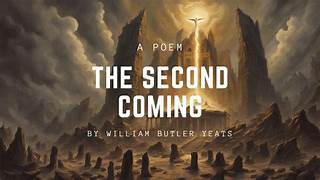
This blog is created as part of the assignment given by our professor, Barad Sir. The task centers on exploring the application and significance of generative AI in translation studies.        Original Poem : Here is the translation of the poem The Second Coming by William Butler Yeats in both Hindi and Gujarati: CHAT GPT  Hindi Translation: दूसरी बार आना रोटते हुए और बढ़ते हुए घूर्णन में बाज बाज़ीगर की आवाज़ नहीं सुन सकता; चीज़ें बिखर जाती हैं; केंद्र नहीं टिक सकता; सिर्फ अराजकता दुनिया में छाई हुई है, रक्त-लाल लहर को मुक्त किया गया है, और हर जगह निर्दोषता का उत्सव डूब चुका है; सबसे अच्छे लोग पूरी तरह से संकोच में हैं, जबकि सबसे बुरे पूर्ण रूप से उत्तेजित हैं। निश्चित ही कोई रहस्योद्घाटन होने वाला है; निश्चित ही दूसरी बार आना करीब है। दूसरी बार आना! ये शब्द जैसे ही बाहर निकलते हैं, स्पिरिटस मुण्डी से एक विशाल रूप मेरी दृष्टि को परेशान करता है: कहीं रेगिस्तान के बालू में एक रूप जिसमें सिंह का शरीर और आदमी का सिर है, एक दृष्टि जो सूरज जैसी खाली और निर्मम है,...

Passage by Sullivan:

Image
Hello!   This blog is part of the Thinking Activity task assigned by Prakruti Ma'am for Unit 1 of Research Methodology. In this blog, I will explore three key aspects: The topic of my research and its relevance, A paraphrase activity with an analysis, A discussion on the types of research methods. Through this post, I aim to provide an insightful perspective on my research journey while connecting it with broader methodological approaches.   Response to the First Question Should research always strive to achieve something new and creative, or is it okay to pursue existing ideas? Research can follow two paths: Creating Something New : Innovating to produce completely original ideas or solutions. Building on Existing Ideas : Reinterpreting or adding depth to already established concepts. Both approaches are valuable, depending on the purpose. My dissertation falls into the second category—it revisits an existing idea to gain deeper insights, contributing to a richer ...

204 : Brain rot ....

Image
Title: From "Brain Rot" to "Manifest": A Tale of Modern Realities   and Aspirations What are the social, cultural, or psychological contexts behind the selection of these words? The selection of "Brain Rot" and "Manifest" reflects two key societal trends. Brain Rot addresses the growing concern about the psychological effects of excessive low-quality online content, especially among younger generations.  It highlights a cultural shift in how digital consumption shapes mental health and intellectual habits. This term mirrors society's preoccupation with the negative impacts of social media, internet culture, and trivial entertainment. On the other hand, Manifest taps into a more introspective and empowering trend.  Rooted in the concept of self-actualization, this word emphasizes purposeful action and realization of goals. It reflects the cultural shift towards mindfulness, personal growth, and reclaiming agency amidst societal and global chal...